













No results found. Try different filters.
Global
5
NDA
Decentralized Finance
Rust/Express
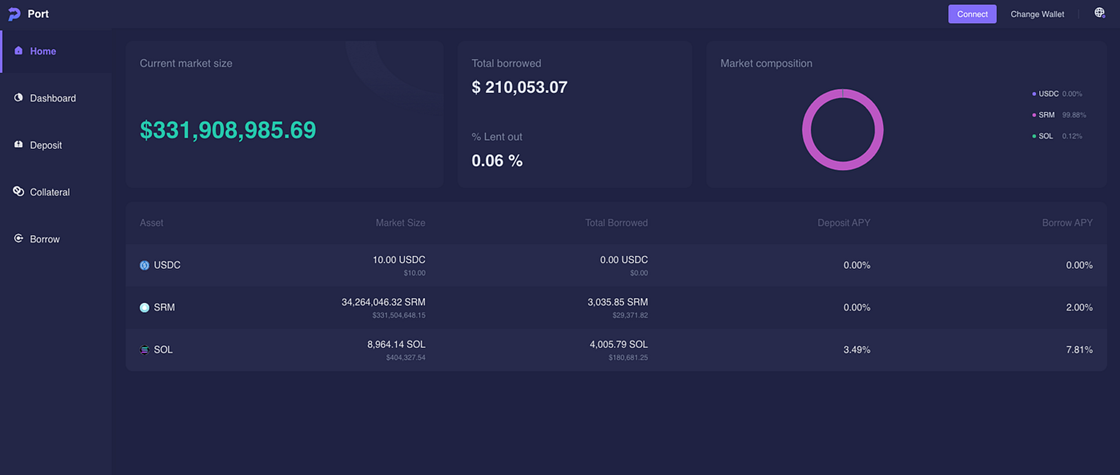
Port Finance had built a Solana-native lending protocol that aimed to extend the classic DeFi money-market model with fixed-income capabilities. It supported supply/borrow markets, launched fixed-rate offerings (notably “Sundial” era products) and exposed swap/hedge primitives so users and treasuries could manage duration and borrowing cost risk on-chain. The team combined Rust-based Solana programs, off-chain orchestration for orderbooks/liquidity and a web front end for user flows; they raised strategic funding to expand fixed-rate offerings.

Market liquidity & capital efficiency
Bootstrapping deep liquidity for both variable and fixed markets on Solana was difficult, especially during volatile market conditions.

Protocol risk & smart-contract safety
Designing secure Solana programs and preventing logic bugs or exploitable state transitions were primary engineering and security challenges.

Oracle & price-feed integrity
Ensuring reliable on-chain prices and fast liquidations demanded robust oracle integrations and latency-aware logic.
We hardened Port Finance’s on-chain safety posture by adding layered audits, property tests and CI pipelines so deployments had fewer regressions. We engineered the fixed-rate product as a hybrid order-book/AMM with liquidity windows and incentive curves so users could trade fixed exposures reliably. We launched targeted LP incentives and vesting mechanics that concentrated initial liquidity without permanently diluting token economics. Finally, we integrated redundant oracles and keeper automation and delivered optional KYC plumbing for compliant on-ramp partners so institutional flows could participate.
1. Variable-rate money markets
Port Finance ran variable interest rate pools where suppliers earned interest and borrowers paid market-driven rates based on utilization.
2. Fixed-rate lending (Sundial / fixed products)
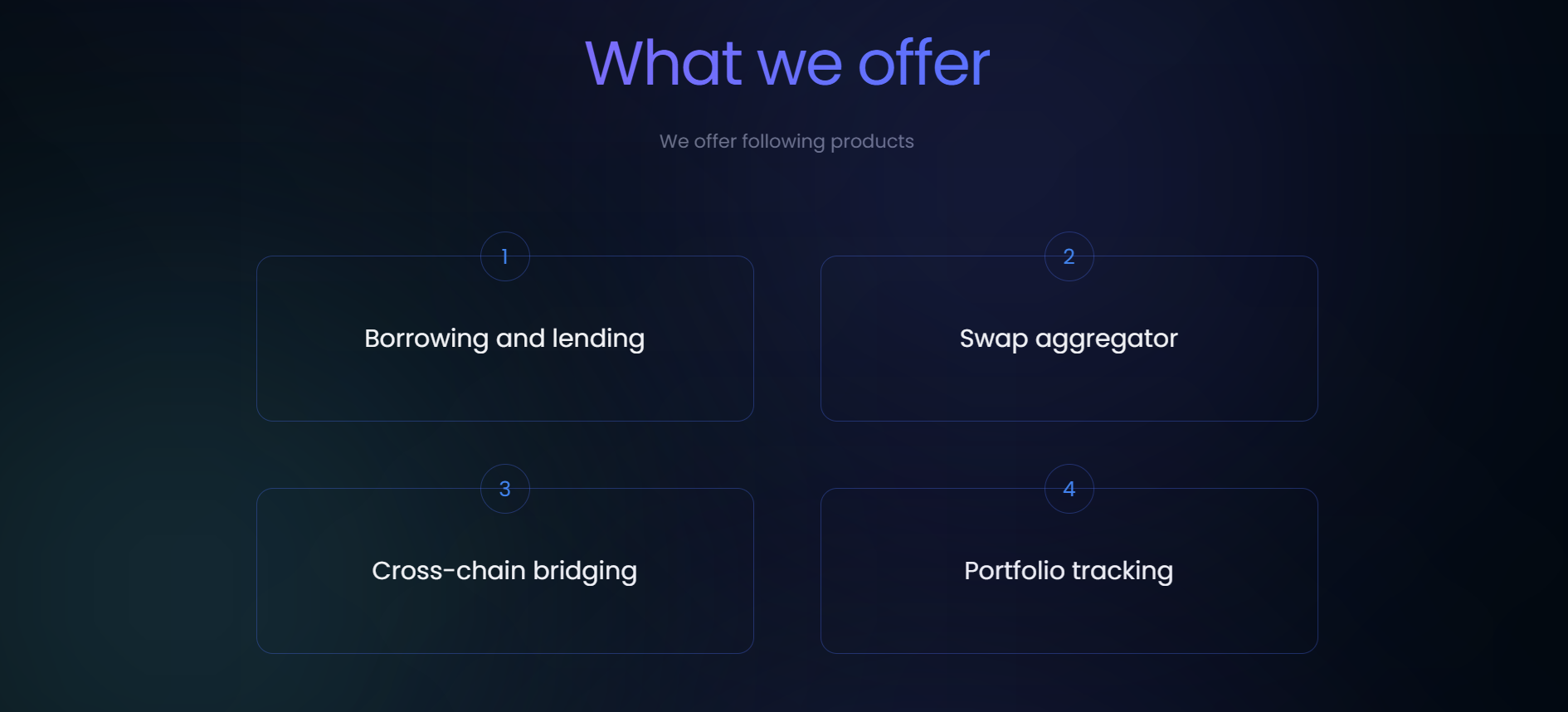
The protocol launched fixed-rate lending primitives that let users lock in yields or borrowing costs using order-book or AMM-style mechanisms.
3. Interest-rate swaps & hedging
Port provided swap-like products so participants could move between fixed and variable exposure to manage interest-rate risk.
4. Non-custodial design on Solana
The system operated as a non-custodial protocol on Solana, relying on Solana’s high throughput and low fees for fast on-chain interactions.
5. Governance token & community controls
PORT token holders governed parameters such as collateral, ratios and new asset listings via on-chain governance.
The solution improved user engagement, and a pilot adoption rate exceeding expectations.
Port Finance shipped fixed-rate lending features that expanded user options beyond classic variable money markets, helping some treasuries and sophisticated users hedge rate exposure. Liquidity incentives and engineering improvements increased market depth for early fixed products and reduced spreads for users who needed deterministic borrowing costs. Auditing, testing and oracle hardening lowered exploitable surface area and decreased severe incident frequency during stress windows. Combined, these changes broadened the protocol’s product set, improved capital efficiency for certain markets, and made the platform more attractive to margin-sensitive users.
© All rights reserved. ApiceFlow LIMITED