













No results found. Try different filters.
Singapore
8
NDA
Gaming
C#/Typescript
Indies’ Lies had been developed as a single-player, bite-sized but deep roguelike card RPG: players chose a hero class, collected cards during runs, leveled talents, recruited partners and explored procedurally generated zones while following a mythic story thread about gods and a changing continent. The title balanced beginner-friendly deck mechanics with depth for experienced players, shipped on Android (and Windows where indicated), and offered DLC/premium content to support post-launch content cadence and monetization. The Play Store listing, social links and Discord invited community feedback and early access style engagement.

Localization & Translation Quality
Translating card text, tooltips and story content across languages introduced inconsistencies and user confusion that required iterative fixes.

Monetization vs. Player Trust
Introducing DLC and IAPs without creating pay-to-win perceptions required careful balancing of free progression and premium content.

Offline / Online Balance
Ensuring the game behaved well both offline and with optional online features (updates, leaderboards) demanded robust sync and graceful degradation.
We shipped a localization toolchain and in-game preview flows so translation issues were fixed quickly and transparently. We implemented an offline-first sync architecture so players could enjoy full runs without network dependency while preserving cloud reconciliation. We simplified the card/talent UI with quick-peek controls and prioritized metadata so inspection didn’t interrupt play. Finally, we balanced monetization into cosmetic and optional campaign DLC and optimized performance to reduce crashes and improve frame stability across devices.
1. Procedural Roguelike Maps
The game generated unique maps and event encounters each run so players faced fresh tactical choices every playthrough.
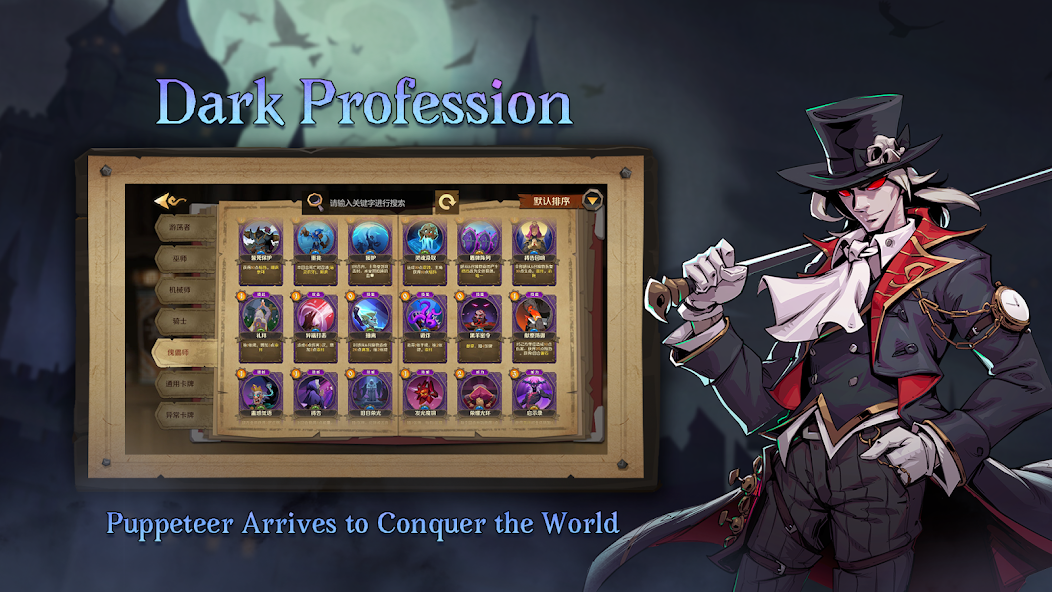
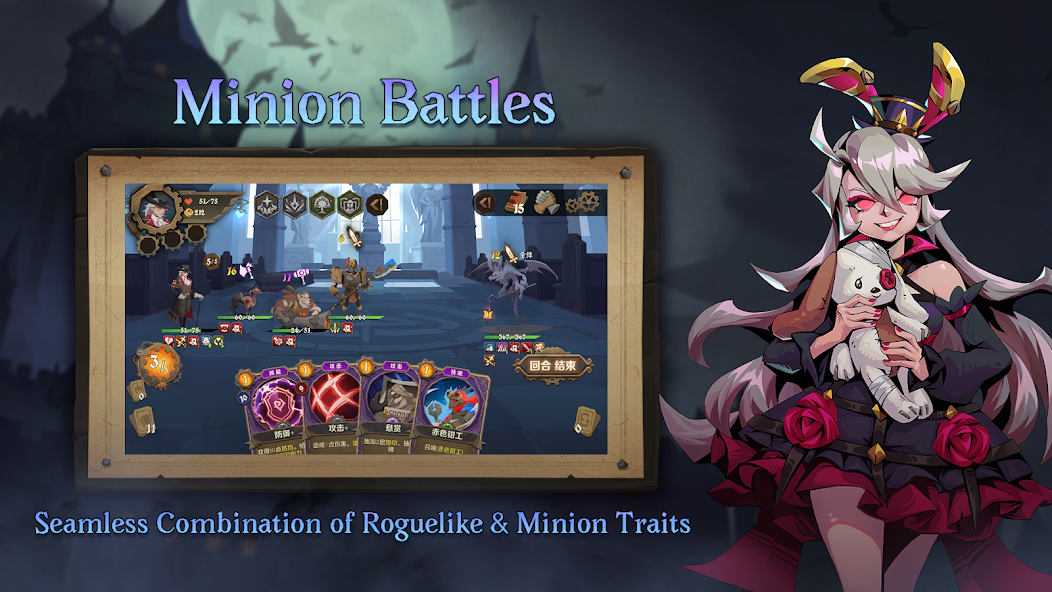
2. Deck-building Combat
It combined deck-building mechanics with hundreds of collectible cards across classes, which allowed deep synergies and replay variety.
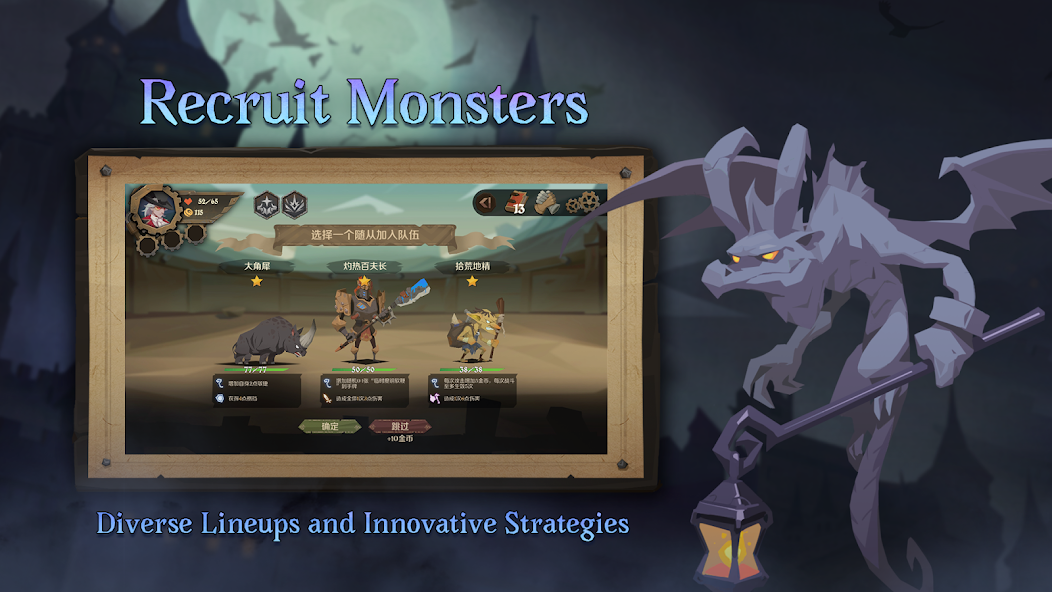
3. Character & Partner System
Players selected from multiple characters (and up to two partners) with distinct card pools and partner cards that expanded strategy options.
4. Procedural Talent Trees
The title used procedurally generated talent trees / talent nodes each run to diversify build paths and long-term progression.
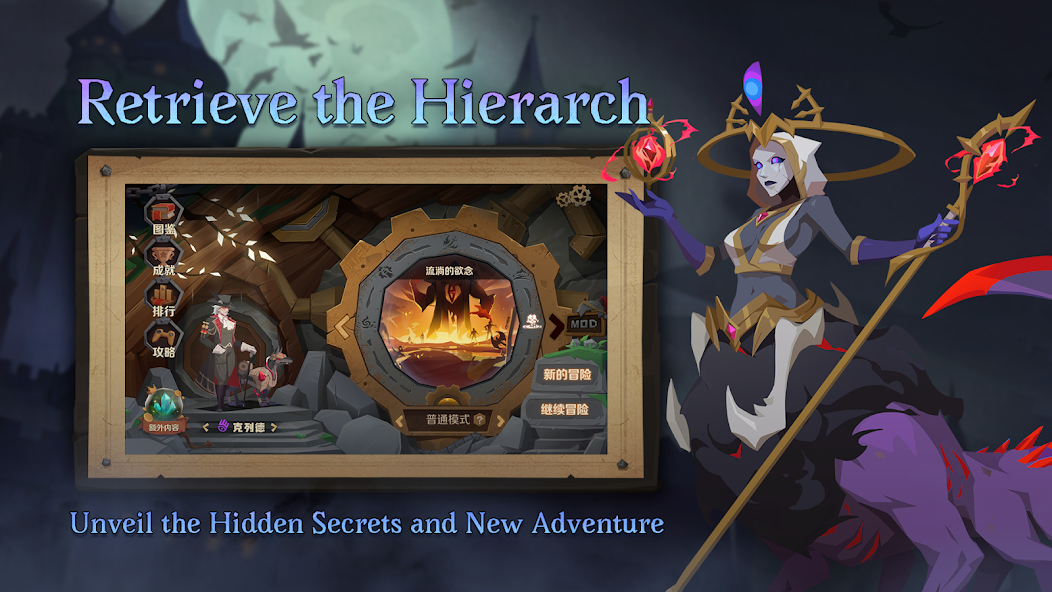
5. Story & Worldbuilding
It presented a layered medieval/fantasy narrative (Mekaa, gods, new faith) with character story modes that unlocked as players progressed.
The solution improved user engagement, and a pilot adoption rate exceeding expectations.
The localization fixes and over-the-air text patches reduced negative translation reviews and improved average rating sentiment. Offline-first syncing increased play retention in low-connectivity regions and lowered support tickets related to lost progress. UI improvements shortened time-to-card-understanding and increased session lengths and DLC discovery rates. Performance tuning decreased memory-related crashes and improved review scores on lower-end devices, which helped sustain a larger install base.
© All rights reserved. ApiceFlow LIMITED