













No results found. Try different filters.
Canada
7
NDA
Retail
Typescript/Java
Lightspeed built a unified commerce platform that bundled point-of-sale, payments, e-commerce, inventory and analytics for small-to-mid and enterprise retailers, restaurants and specialty verticals (including golf). Merchants used Lightspeed’s cloud Backoffice and mobile/tablet POS to manage multi-location operations, process payments, run advanced inventory and purchase workflows, and power customer experiences both in-person and online. The company emphasized integrations (hardware, third-party apps, and supplier tools like NuORDER), developer APIs/webhooks, and industry-specific workflows to reduce operational friction and centralize reporting across channels.

Scaling hardware & integrations
Supporting many hardware configurations and numerous integrations (payments, printers, scanners, supplier tools) increased QA surface and support load.

Multi-channel data consistency
Keeping inventory, pricing and orders consistent across POS, e-commerce and third-party channels required strong synchronization logic and conflict resolution.

Operational cost & profitability pressure
As the company scaled, corporate cost-optimizations and profitability initiatives (including restructuring) made prioritizing product investment and support more complex.
We implemented an event-driven sync layer and idempotent reconciliation so product, inventory and order data remained consistent across POS devices and online channels. We built offline-first POS clients with write-ahead logs and safe replay to ensure transactional reliability for tablet and terminal users. We developed a hardware abstraction layer and automated certification to reduce integration bugs and speed hardware rollouts. Finally, we modularized vertical features and added telemetry plus cost-controls so Lightspeed (and its customers) could scale product capabilities while keeping operational costs manageable.

1. Point of Sale (Retail & Restaurant)
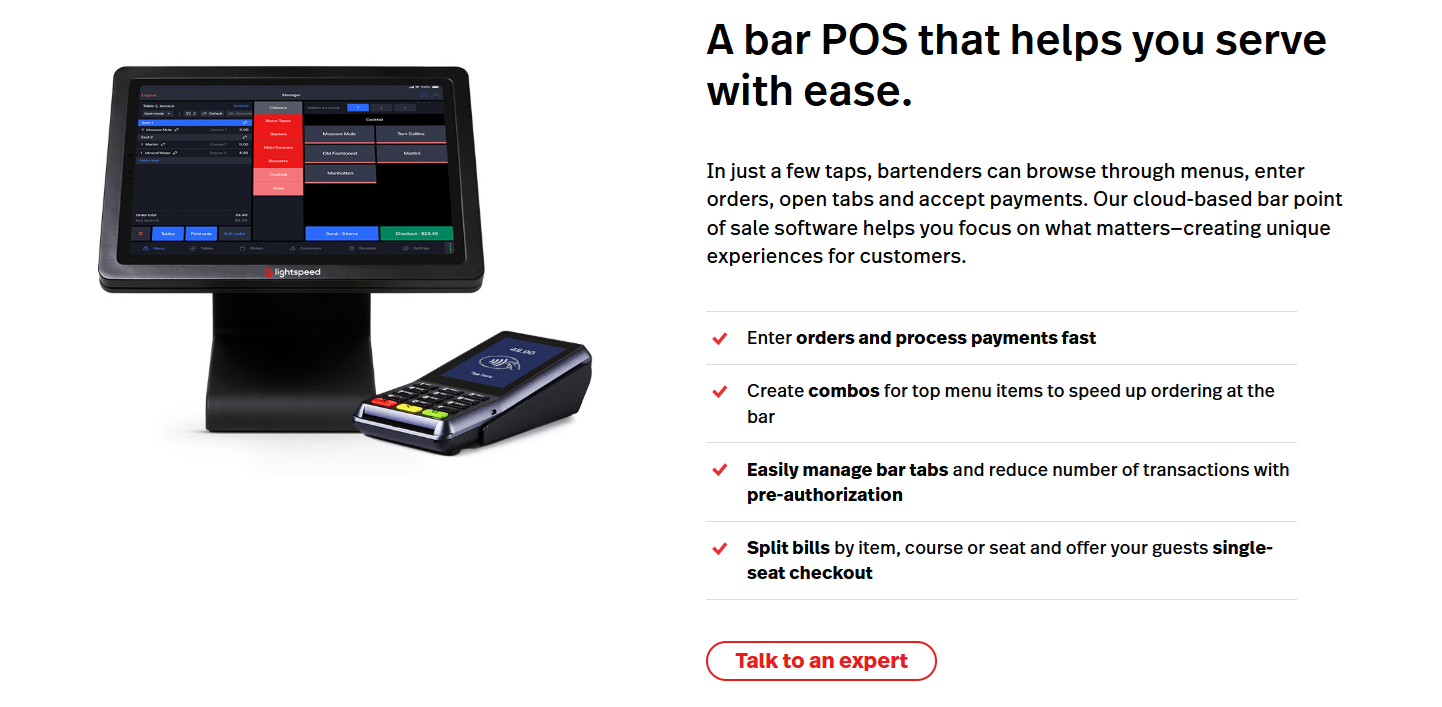
Lightspeed provided tablet-first POS apps with fast barcode scanning, modifiers, table management and offline capability for in-store and tableside transactions.
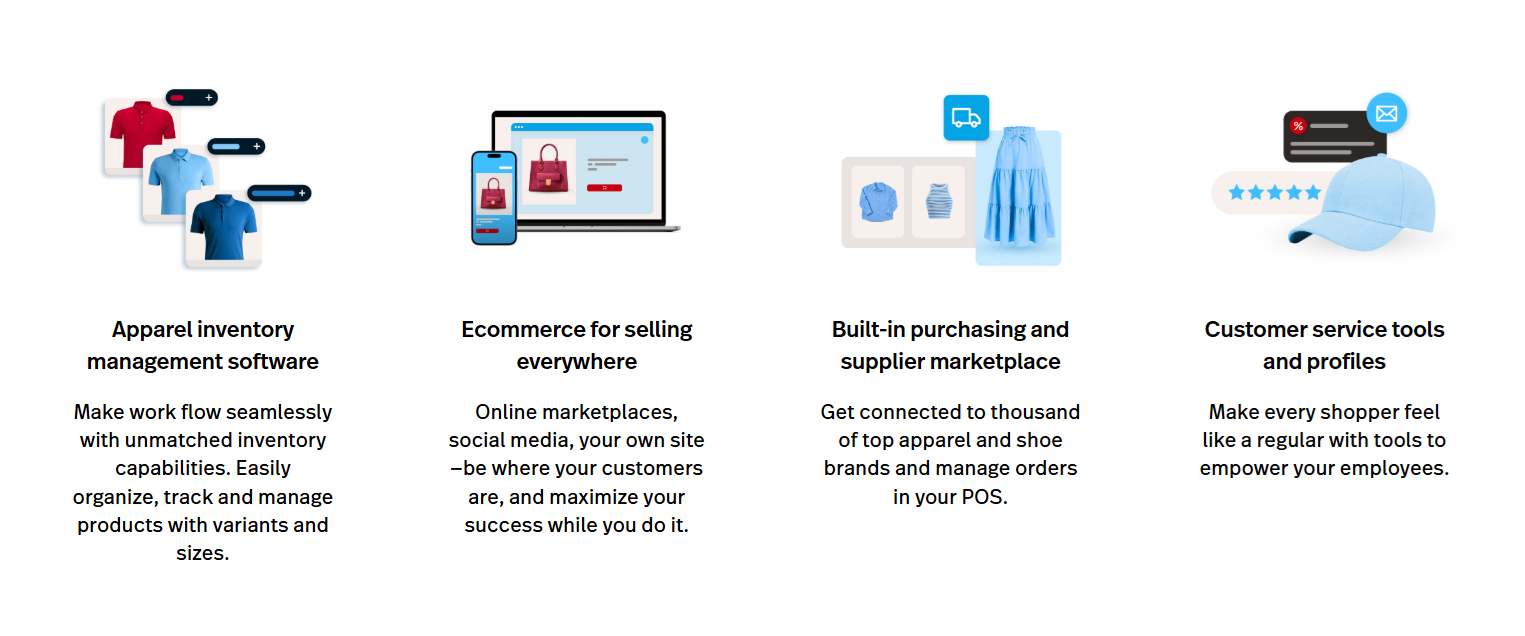
2. E-commerce & Unified Catalog
The platform offered an online store and catalog sync so merchants could manage products, inventory and promotions across web and brick-and-mortar channels.
3. Inventory & Purchase Management
Lightspeed included advanced inventory features (multi-location stock, vendor purchase orders, variants and cycle counts) to support complex retail assortments.
4. Payments & Hardware
The service bundled integrated payment processing and certified hardware (terminals, scanners, registers) to simplify checkout and reconciliation.
5. Analytics & Insights
Lightspeed delivered reporting and benchmarks so operators could track sales, margins and labor across locations and make data-driven decisions.
6. Integrations & APIs
Lightspeed exposed APIs, webhooks and partner integrations (marketplaces, accounting, CRM, NuORDER) to extend workflows and automate operations.

The solution improved user engagement, and a pilot adoption rate exceeding expectations.
Lightspeed’s unified platform reduced manual reconciliation work and simplified multi-location management, which increased merchant efficiency and lowered operating friction. Offline-first POS reliability decreased transaction failures and refund rates, improving merchant trust and throughput. Hardware abstraction and integration hardening cut support tickets and sped hardware deployments, reducing time-to-value for new installs. Modular verticalization and telemetry improvements helped prioritize profitable features and improved customer retention across retail and hospitality segments.
© All rights reserved. ApiceFlow LIMITED