













No results found. Try different filters.
United States
5
60k+
Healthcare
Typescript/NestJS
Doxy.me had built a simple, accessible telemedicine product that prioritized zero-friction connections between providers and patients: clinicians created virtual clinic rooms, patients joined via short links or QR codes, and staff used the patient queue and waiting room to manage flow. The offering ranged from a free tier for solo providers to paid Clinic and Enterprise plans that included advanced security, account management and bespoke onboarding for health systems. The product roadmap emphasized compliance, accessibility, and iterative experimentation via a Labs group that tested AI and virtual care utilities.

Scaling for large, distributed clinical usage
Supporting millions of providers and billions of session minutes required scalable ingestion, session routing, and capacity planning.

Ensuring HIPAA-grade security
Building and operating end-to-end encrypted telehealth while meeting BAA, SOC2 and regional privacy requirements required strict controls and careful vendor selection.

Supporting enterprise workflows & integrations
Enabling clinics and health systems to integrate scheduling, billing and user provisioning while preserving auditability introduced complexity in APIs and account management.
We hardened Doxy.me’s security posture and vendor controls so clinicians could sign BAAs and meet HIPAA/SOC2 obligations. We optimized the browser-based WebRTC stack and added resilient media routing (including OpenTok fallbacks) to keep sessions stable across networks and devices. We implemented autoscaling session orchestration and observability so the platform handled large peaks without service degradation. We delivered enterprise admin tooling, SSO/onboarding flows, and integration connectors to align virtual care with clinic scheduling and billing systems.
1. Browser-based HD video
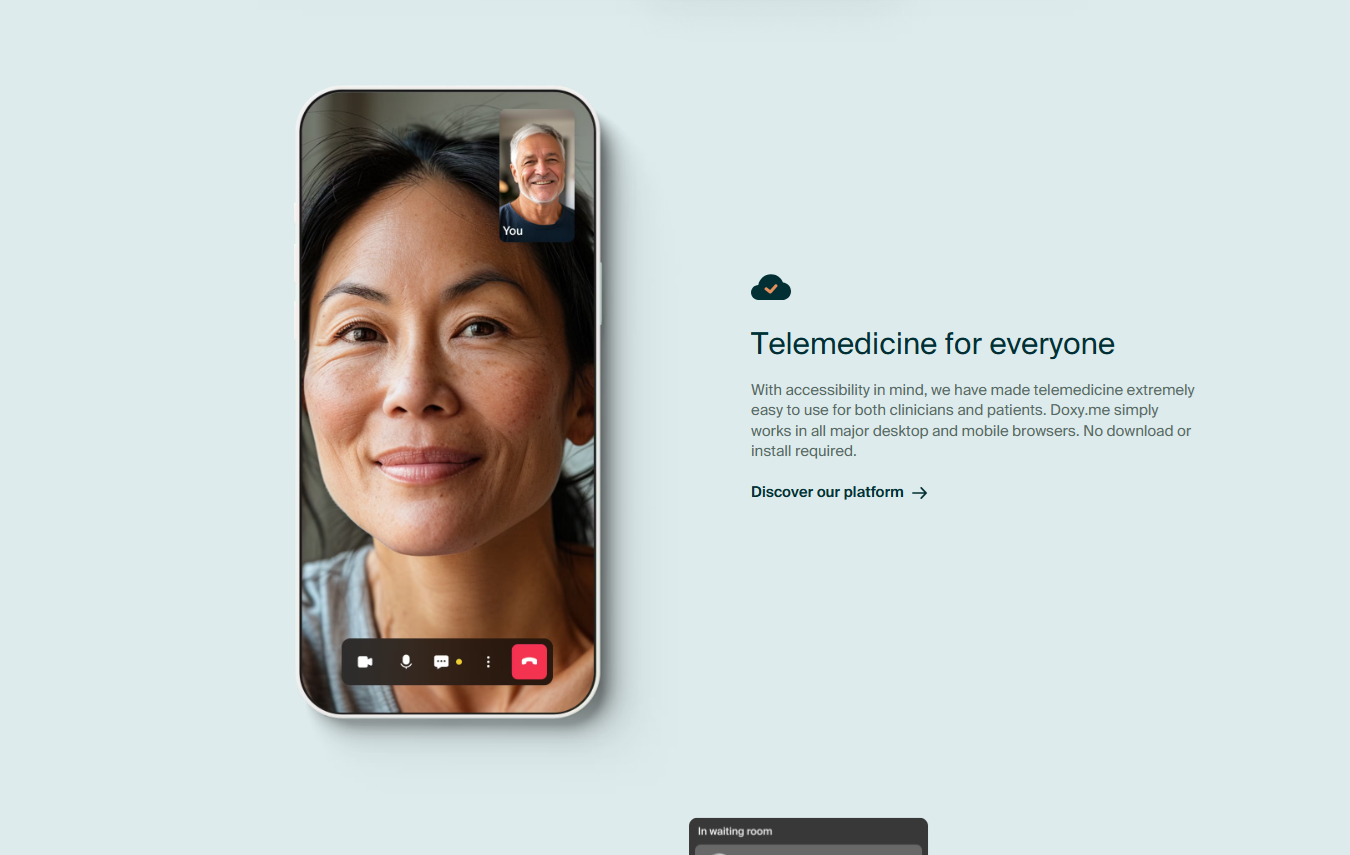
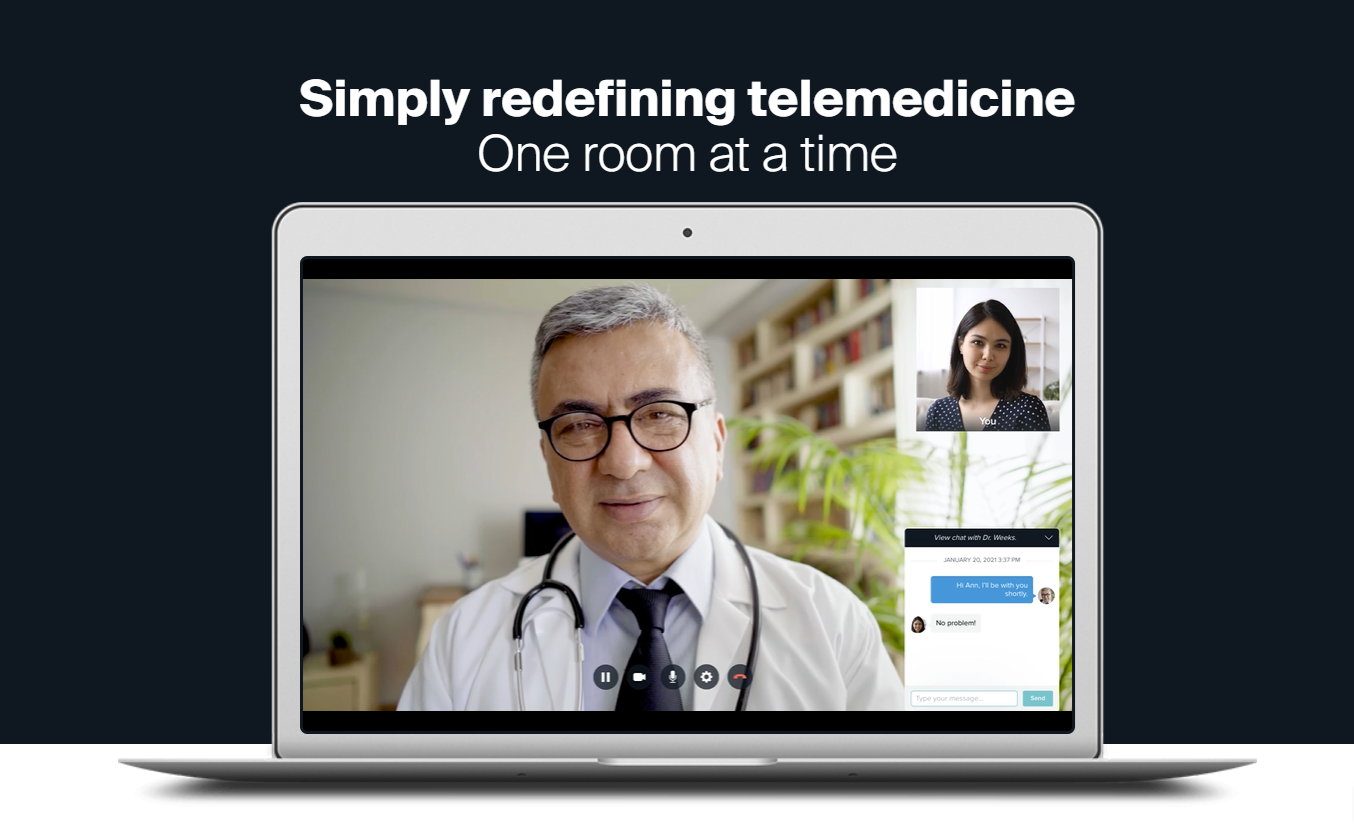
Doxy.me provided high-quality, no-download video calls that worked in major desktop and mobile browsers to simplify patient access.
2. Virtual waiting room & patient queue
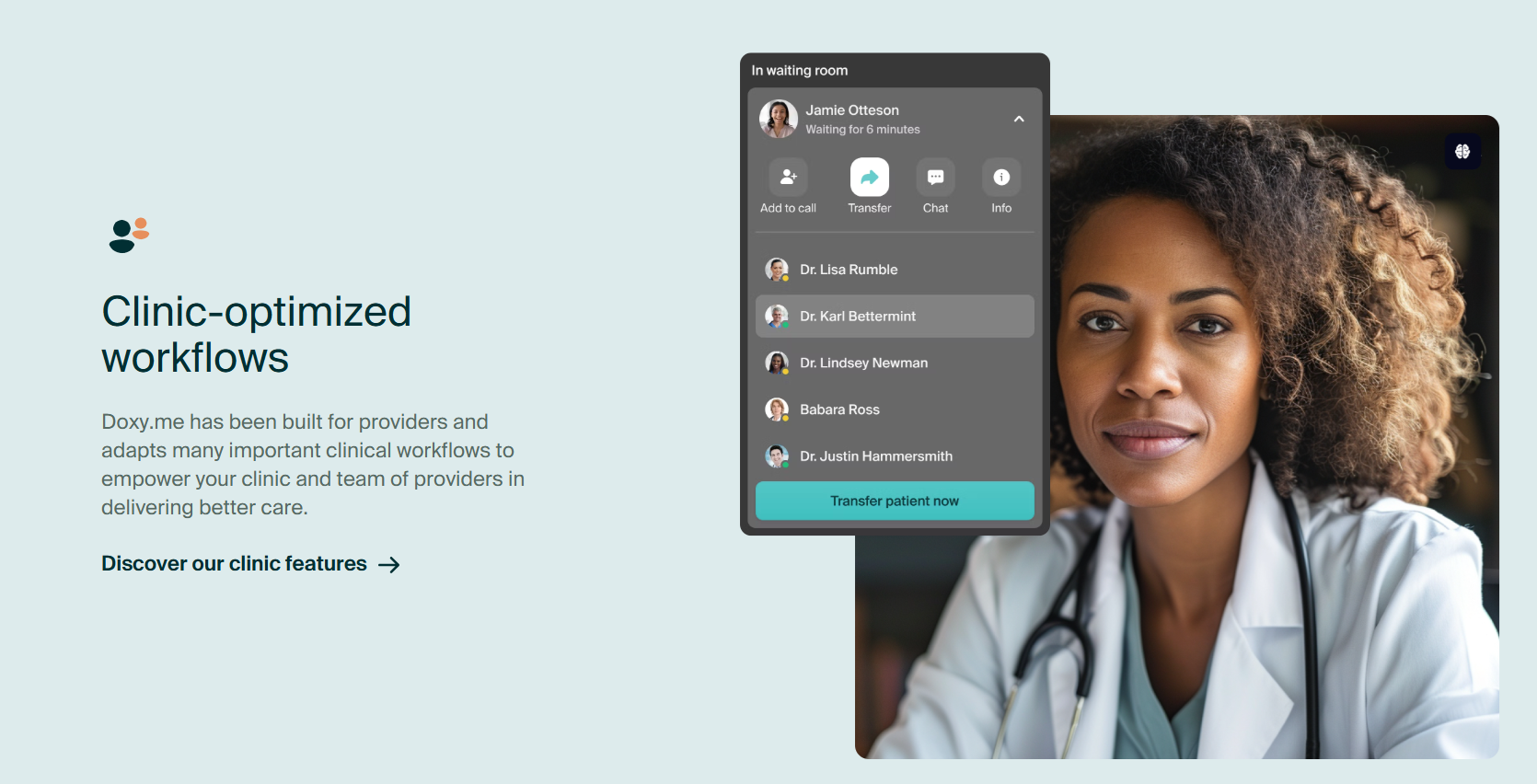
The platform offered a customizable waiting room and queueing system so clinics could manage check-ins and triage patients before sessions.
3. Security & compliance controls
Doxy.me supported HIPAA compliance (with BAAs), SOC 2 attestations and privacy controls (GDPR/CPRA/PHIPA considerations) for handling PHI.
4. Meeting history & logging
The system recorded session metadata (date/time/duration) and provided meeting history for audits and operational tracking.
5. Mobile-friendly experience
Users could join visits from mobile browsers without installing apps, supporting on-the-go patient access.
6. Enterprise features & integrations
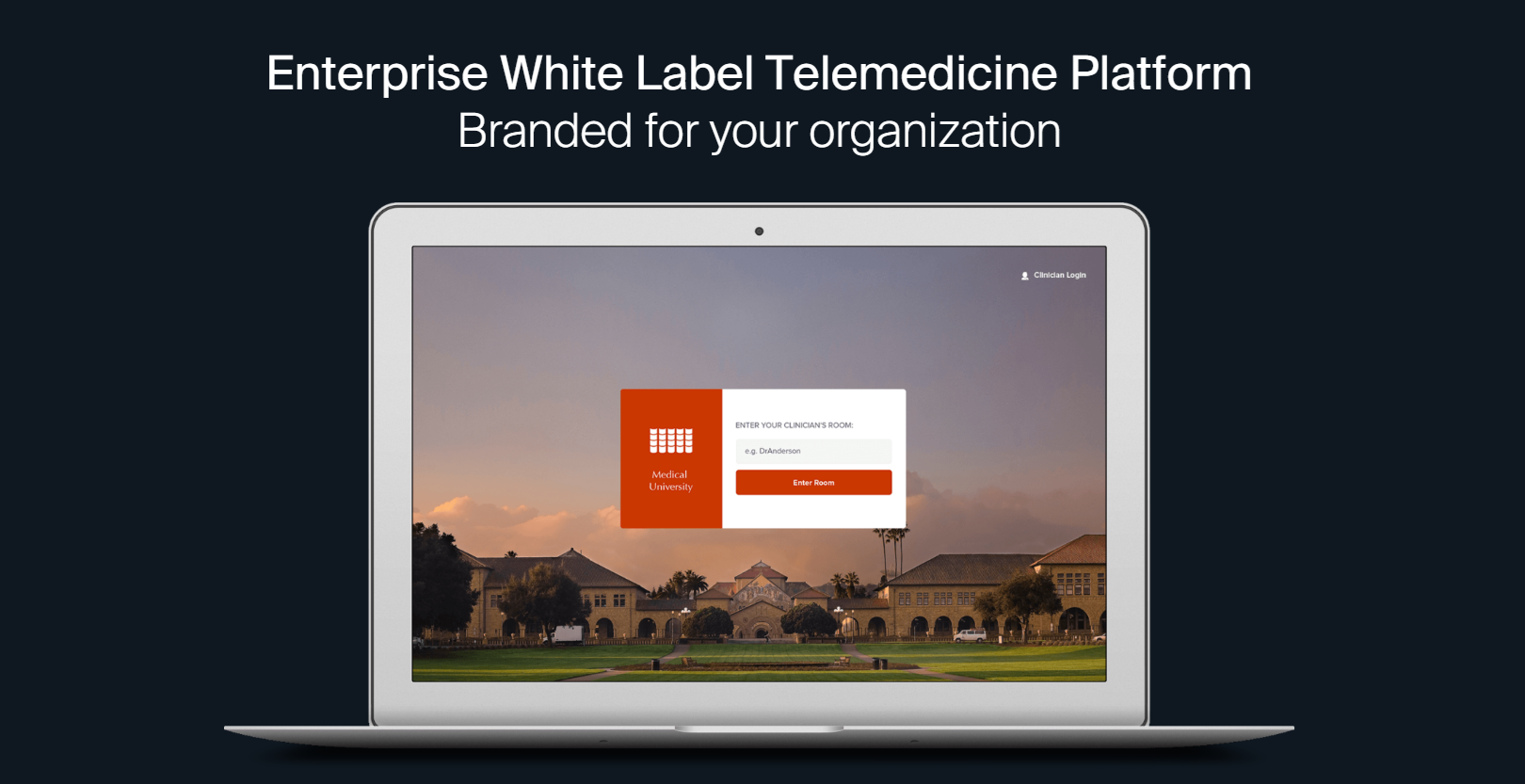
Doxy.me offered Clinic and Enterprise plans with admin controls, group training, account management, and integrations (scheduling, billing); it used third-party media services (OpenTok) for screen sharing/group calling.
The solution improved user engagement, and a pilot adoption rate exceeding expectations.
Doxy.me increased provider adoption by making telehealth frictionless (no downloads) while maintaining compliance, which expanded its user base across solo practitioners and health systems. Session reliability and video quality improved after WebRTC tuning and media routing changes, which reduced dropped calls and clinician support requests. Enterprise onboarding and API integrations accelerated clinic deployments and reduced time-to-activate for multi-provider organizations. Overall, these changes increased session volume, customer satisfaction, and the platform’s suitability for large healthcare customers.
© All rights reserved. ApiceFlow LIMITED