













No results found. Try different filters.
HONG KONG
4
NDA
Gaming
Unity/Solidity
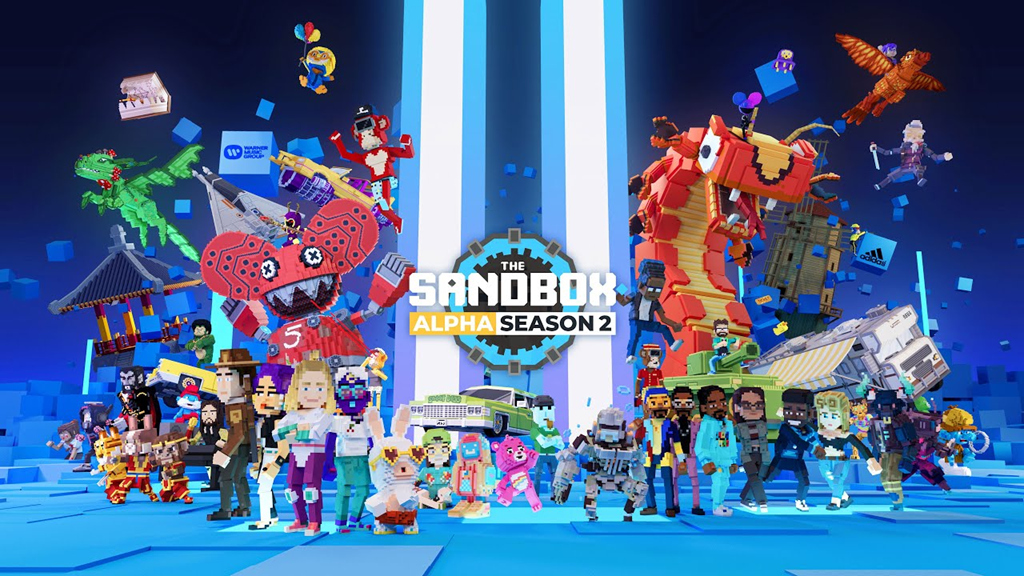
The Sandbox evolved from a mobile sandbox game into a full metaverse platform where creators built interactive 3D voxel worlds, games and experiences. Users purchased LAND and assets as NFTs, used tools like VoxEdit and Game Maker to build content, and published that content into the metaverse. The platform connected blockchain, gaming and creator economies — supporting monetization, staking, governance, and community curation. Governance was decentralized via a DAO, letting users influence future roadmap and platform rules. Over time, The Sandbox forged partnerships with major brands and IPs (e.g. Gucci, Atari) to bring branded virtual real estate and experiences into the metaverse.

Blockchain Scalability & Gas Costs
High Ethereum transaction costs and network congestion made minting, transferring and interacting with assets expensive for many users.

Governance & Tokenomics Balance
Designing fair DAO mechanisms, inflation controls, staking rewards and ecosystem incentives required careful economic modeling.

Interoperability Complexity
Enabling assets and experiences to work across chains, wallets and platforms (bridging, token standards) created integration challenges.
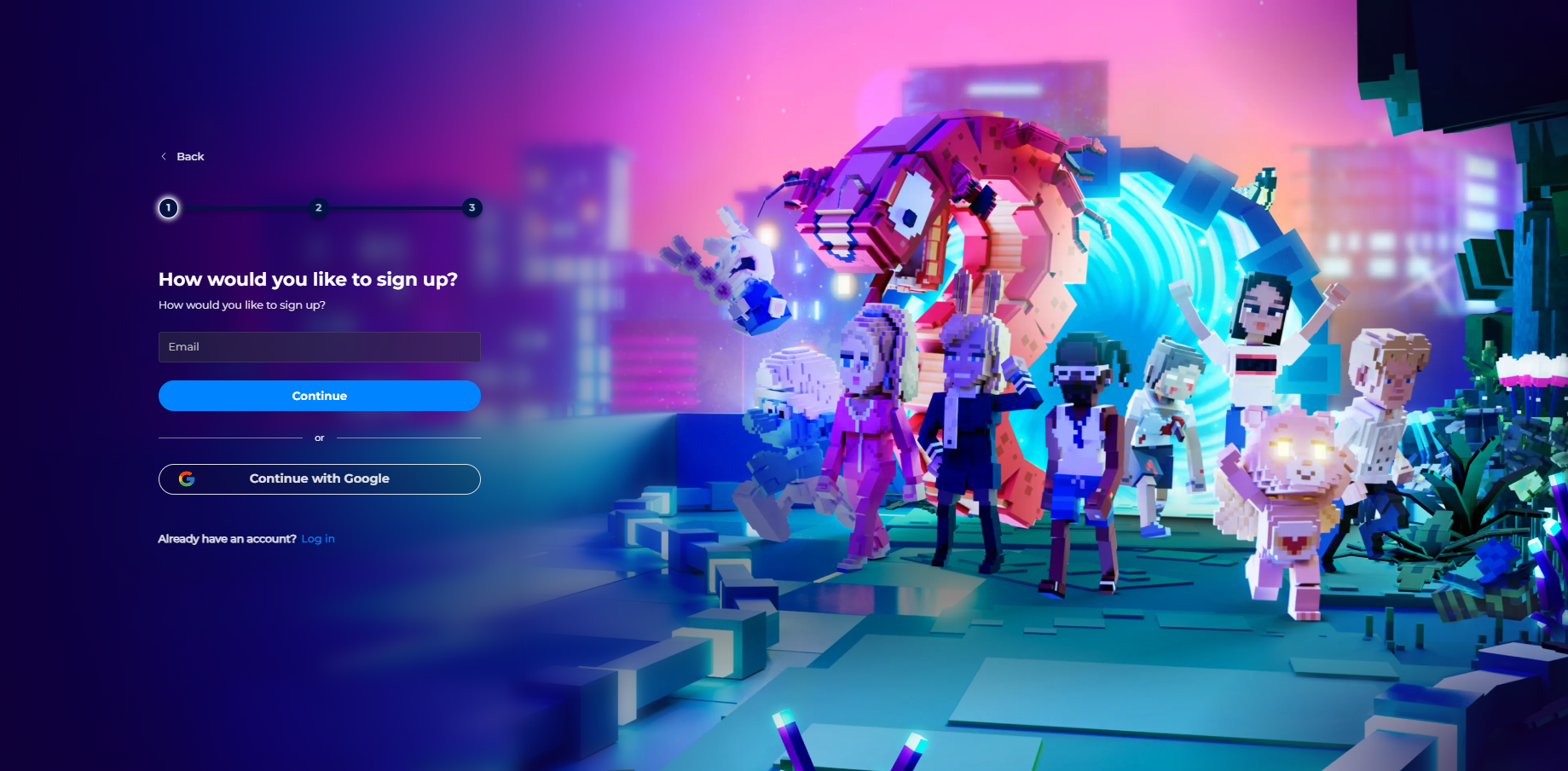
We integrated layer-2 / sidechain solutions and gasless minting to make asset creation accessible and inexpensive for creators. We built moderation and quality control workflows to ensure user-generated content remained safe and brand-worthy. We developed cross-chain bridge modules and wallet abstraction so assets and tokens flowed seamlessly across networks. We improved the Game Maker and onboarding UX so even non-technical creators could build, mint and publish with confidence. We also built DAO and tokenomics modules and marketplace incentives to align governance and liquidity with ecosystem growth.
1. LAND & Virtual Real Estate
The Sandbox represented “LAND” parcels as ERC-721 NFTs which owners could purchase, develop and monetize with custom experiences.
2. Game Maker (No-code creation)
The Game Maker tool allowed users to build voxel games and interactive experiences without code, using templates or custom logic.
3. VoxEdit & Asset Marketplace
VoxEdit permitted authoring and animating voxel assets (characters, items, environments), which users then published as NFTs to the marketplace.
4. Token Economy (SAND)
The SAND ERC-20 token powered in-platform transactions — for LAND purchases, staking, governance and creator rewards.
5. DAO Governance (Sandbox DAO)
The community governed the platform through DAO proposals and votes (holders of SAND or LAND could influence platform direction).
6. Play-to-Earn & Rewards
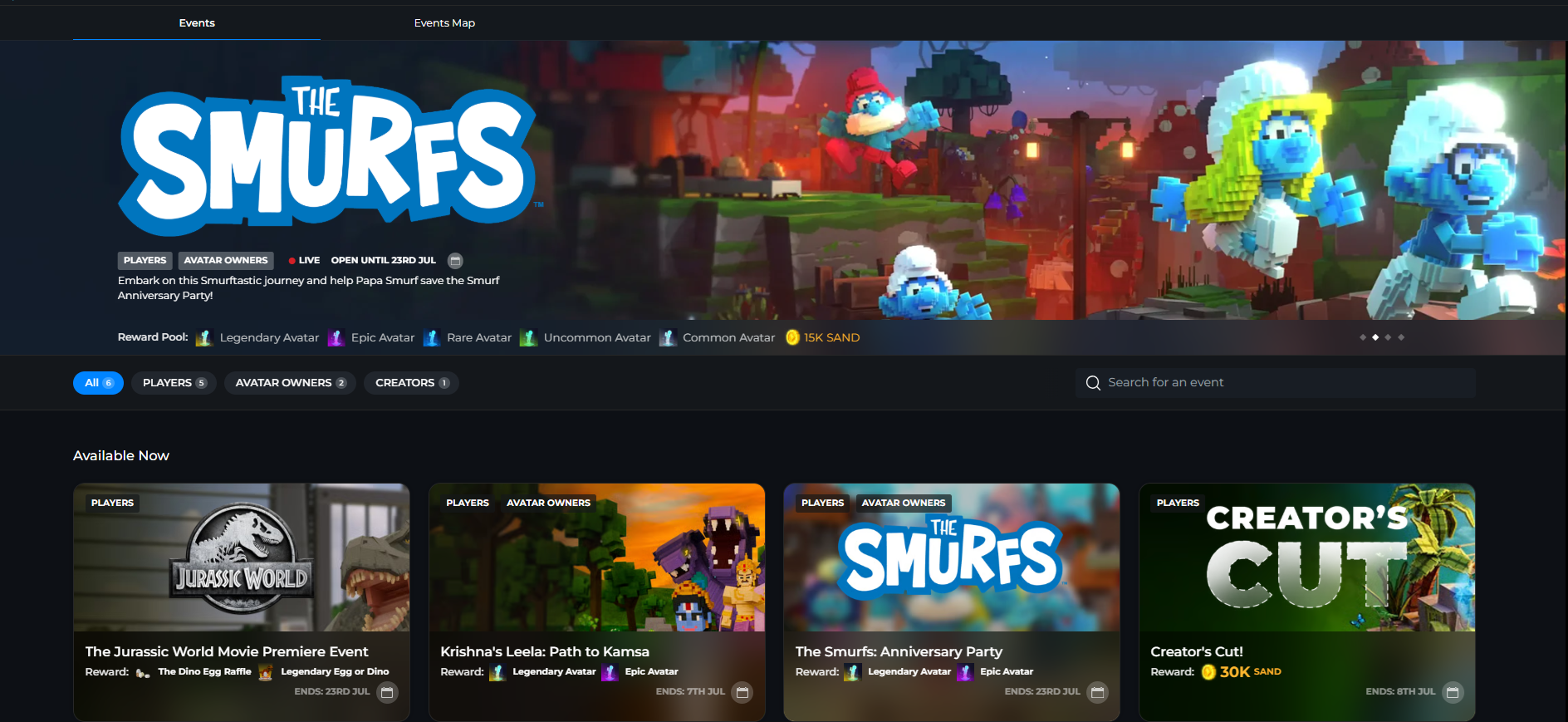
Creators and players earned SAND and rewards via events, game jams, monetization of assets or experiences, and participation in seasonal content.
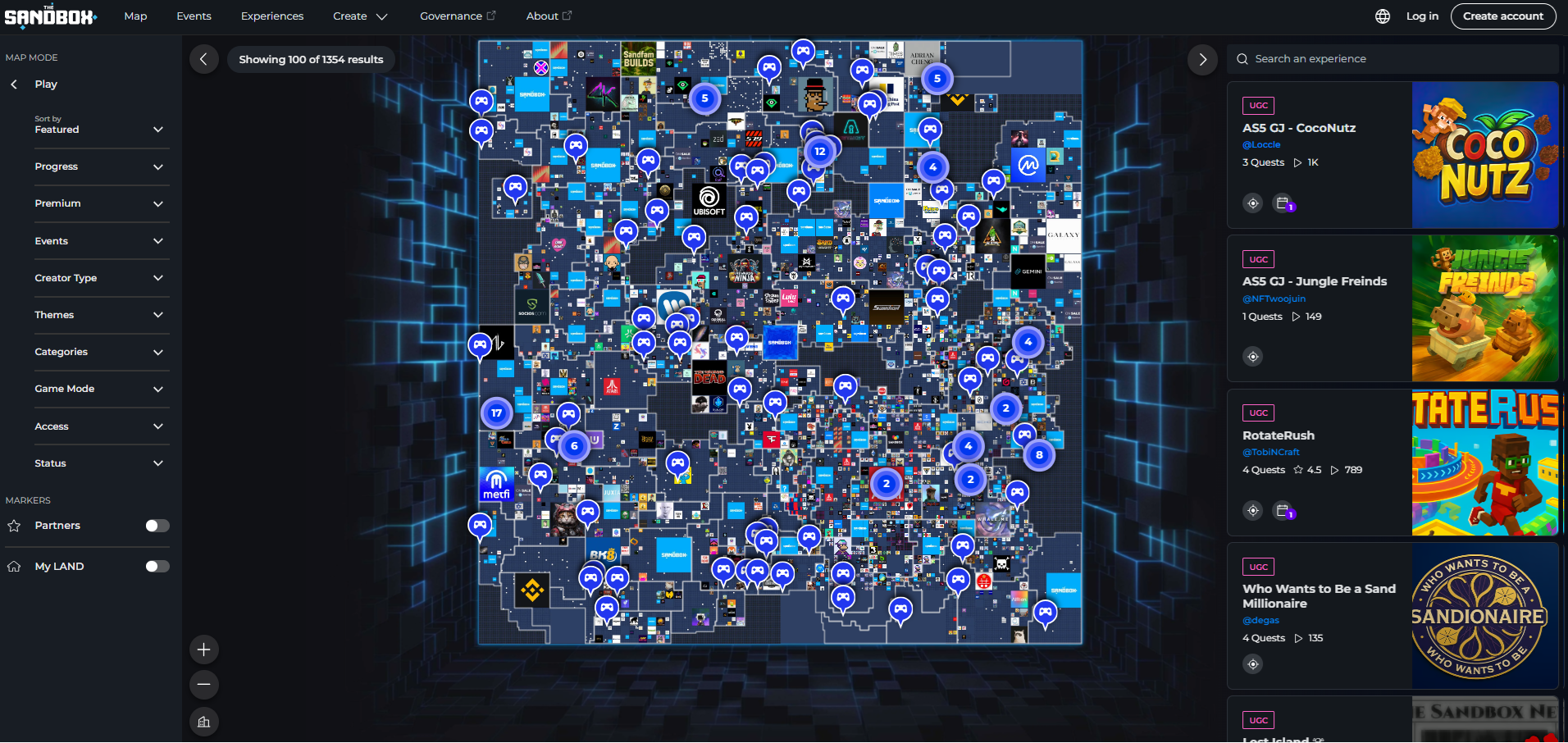
The solution improved user engagement, and a pilot adoption rate exceeding expectations.
User adoption surged as minting and transaction costs dropped, enabling more creators and players to join the platform. Quality of published content improved with moderation tooling, attracting more flagship experiences and brand collaborations. Cross-chain interoperability and smooth UX reduced drop-offs and technical friction, expanding market reach. Marketplace liquidity and token incentives increased trading volume and creator earnings, which strengthened retention and monetization across the ecosystem.
© All rights reserved. ApiceFlow LIMITED